In any typical election season, a viral reporting gaffe might register as little more than a momentary internet laugh. But during a recent South Carolina campaign rally for incumbent Republican Sen. Darline Graham—who is seeking to serve a full term following the death of her brother, Sen. Lindsey Graham—the dynamic felt noticeably different. When a reporter spotted a middle-aged, bearded man in the crowd, he approached assuming he was about to capture a gushing quote from a dedicated supporter. Instead, the man offered a deadpan observation, joking that he only turned out because he was too young to have witnessed the 1978 Jonestown massacre, adding, “There’s nothing like seeing a cult right up front, man.”
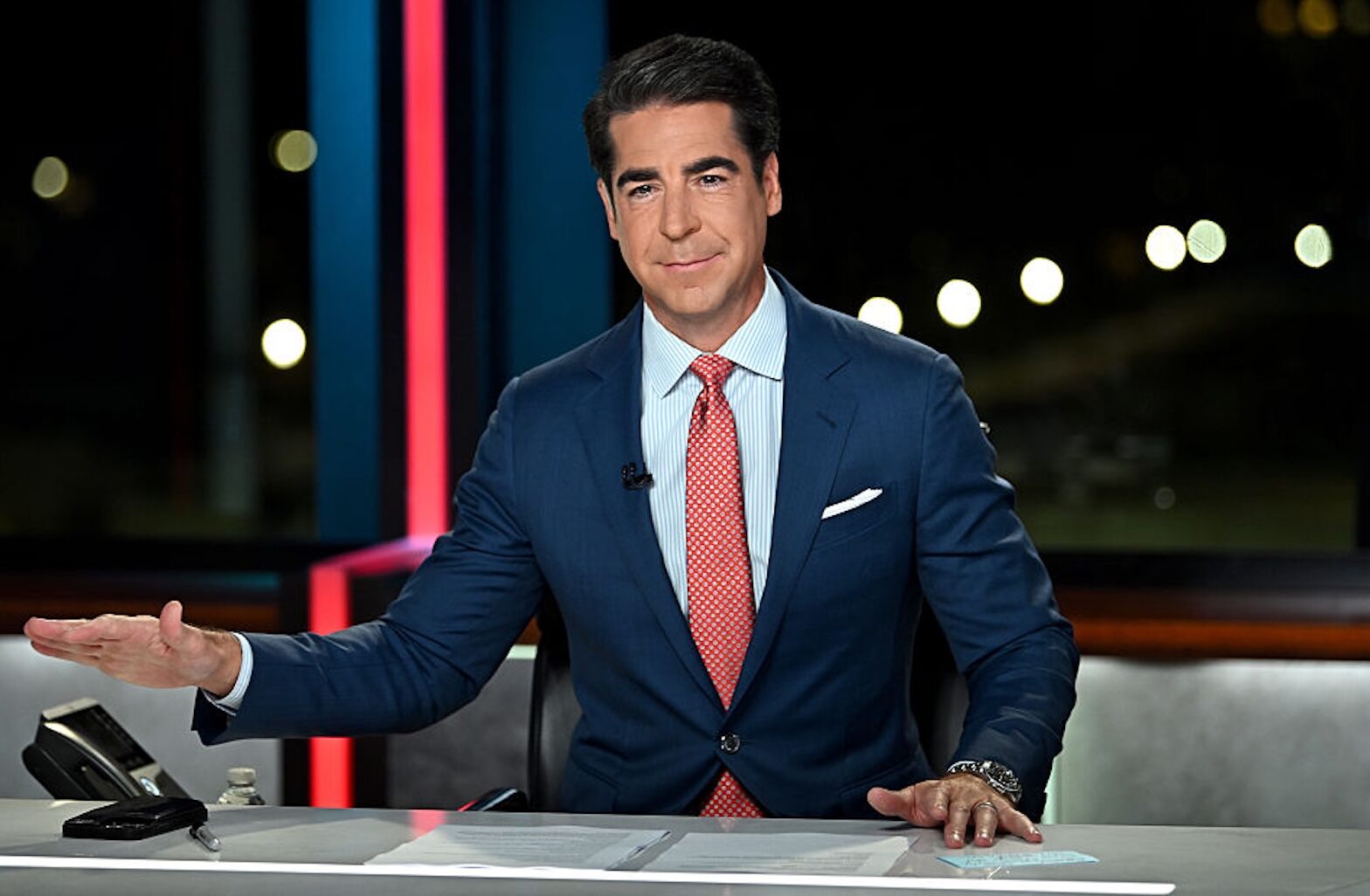
The surreal moment capped what has turned out to be a desultory midterm election cycle for major conservative media networks. Despite years of dependable sway over political narratives, traditional right-wing cable programming is increasingly struggling to set the agenda or whip up effective outrage.
A Disconnect Between Media Strategy and Voter Priorities
Part of the current struggle stems from an obvious mismatch between media talking points and the day-to-day realities facing everyday citizens. For months, network commentators have attempted to ignite outrage over distant student protests in Paris, procedural dustups involving political nominees, or minor pop culture slights. Yet these attempts at driving culture war hysteria frequently fizzle when stacked against the tangible pressures of economic anxiety, inflation, and complex foreign policy challenges.
"No one cares about the one trans girl in their state that wants to be on the badminton team when theyre struggling to pay their mortgage because gas and food are too expensive. The Culture War only works when people have nothing real to be angry about"---
When basic living expenses dominate kitchen-table conversations, continuous outrage over niche controversies struggles to retain its potency. Household budgets, rising utility bills, and housing costs leave little room for manufactured panics. As one observer noted, "These things tend to happen when more people get a grasp on those things that actually affect their daily lives."
The Breakdown of Taboo Topics
For decades, traditional conservative broadcasting relied on structured, heavily vetted messaging designed to appeal to broader audiences while maintaining a veneer of mainstream journalistic presentation. Today, that delicate balancing act is falling apart from both sides.
On one end, high-profile Democratic candidates are proving far more adept at commanding attention on air, drawing viewership even on right-leaning networks. Charismatic candidates across key states have driven compelling television, forcing conservative media producers into a defensive posture where they attempt to hijack rival candidate coverage purely to fuel negative polarization.
On the other end, the traditional network format is being outflanked by unfiltered online platforms and independent commentators. Digital outlets, podcasts, and social media ecosystems operate with virtually zero broadcast boundaries, offering raw, radicalized commentary that makes traditional cable outrage look surprisingly mild by comparison.
Even internal network personalities have occasionally let the frustration show on air. Commentators have openly vented about weak candidate performances and questioned the utility of endlessly covering non-stories—such as fixating on minor athletic controversies—to little audience effect.
An Uncertain Path Forward
This shift leaves mainstream conservative media in a distinct dilemma. To keep pace with more extreme internet platforms, traditional networks would have to abandon their remaining broadcast conventions and risk alienating corporate advertisers as well as moderate viewers. Yet continuing with soft-pedaled culture war topics no longer generates the fierce engagement it once did.
Whether this decline represents a permanent shift in how voters digest political media or merely a temporary lull driven by current economic conditions remains an open question. What is clear, however, is that the old playbook for controlling national political narratives no longer guarantees success.

