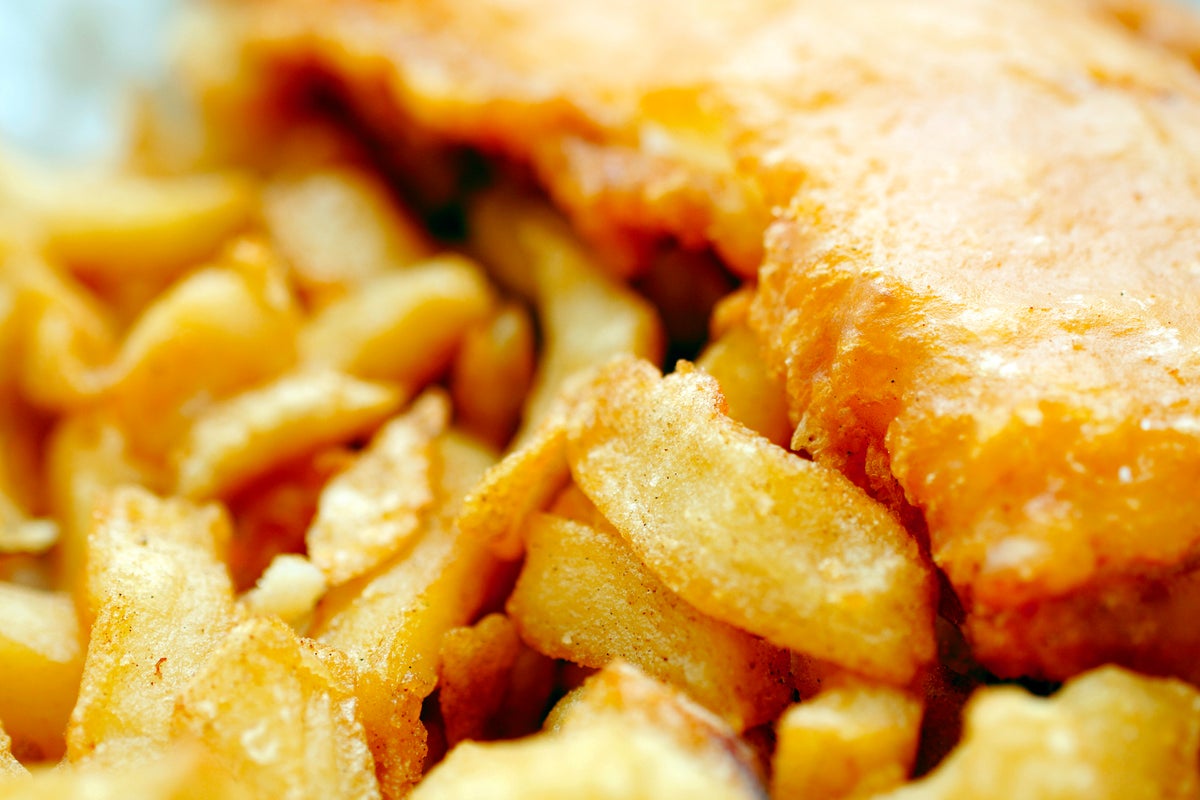
The Changing Landscape of Sustainable Seafood
The Marine Conservation Society (MCS) has recently downgraded the sustainability ratings for several popular fish species, raising concerns about the future of these fish and chip alternatives. European hake, once promoted as a suitable substitute for cod, has been downgraded from green to amber in the North Sea, Celtic Seas, and Bay of Biscay due to rising fishing pressure and dwindling stocks.
Coley in Crisis
Coley, another whitefish alternative, has faced a more severe downgrade to red in the North Sea, west of Scotland, Rockall, and Skagerrak. This is attributed to falling populations and the absence of recovery plans, according to the MCS. North-east Arctic coley has also suffered rating downgrades due to shrinking stocks and persistent overfishing, while Icelandic coley and Cornish hake retain their green ratings.
Haddock's Mixed Outlook
Haddock, a significant fish in the UK market, presents a mixed picture. While haddock caught off Iceland has slipped from green to amber due to unsustainable fishing pressure and catches exceeding scientific advice, haddock across the North Sea, Skagerrak, and Scottish waters remains green-rated and is considered a good choice by the MCS's Good Fish Guide.
Diversifying Seafood Choices
Kerry Lyne, Good Fish Guide manager at the MCS, emphasizes the need for consumers to diversify their seafood choices and avoid the most threatened species. Lyne highlights the dynamic nature of fish stocks and the importance of considering not only the species but also where and how it is caught or farmed when making sustainable seafood choices.
The Role of Government and Management
The MCS calls for better management to recover and protect UK fisheries, many of which are in decline. Chris Graham, head of ocean regeneration and sustainable seafood at the MCS, attributes the resurgence of tuna in UK seas to better fisheries management implemented over 20 years ago, following decades of overfishing. However, Graham cautions that this iconic species must be closely monitored to ensure the health of the UK population continues to improve.
Sustainable Alternatives
For white fish, the Good Fish Guide recommends Alaska pollock from the Gulf of Alaska or the Bering Sea, monkfish from the North Sea, Rockall, or west of Scotland, and most seabass, while advising against seabass from the west of Scotland and west of Ireland due to poor stock. European lobster from Jersey, Shetland brown crab, UK farmed blue mussels, and UK Recirculating Aquaculture System-farmed king prawns are among the green-rated seafood options.
A Complex Issue
The sustainability of fish stocks is a complex issue, influenced by various factors such as fishing pressure, management practices, and environmental changes. While some fish stocks have seen upgrades, such as North Sea herring and Atlantic bluefin tuna in UK waters, others are facing significant declines. The MCS's ratings provide a valuable tool for consumers to make informed choices, but the situation remains a cause for concern and highlights the need for continued efforts in sustainable fisheries management.

